

Do Men Have A Pelvic Floor?
Updated: Sep 1
By Erica Whaley, OT
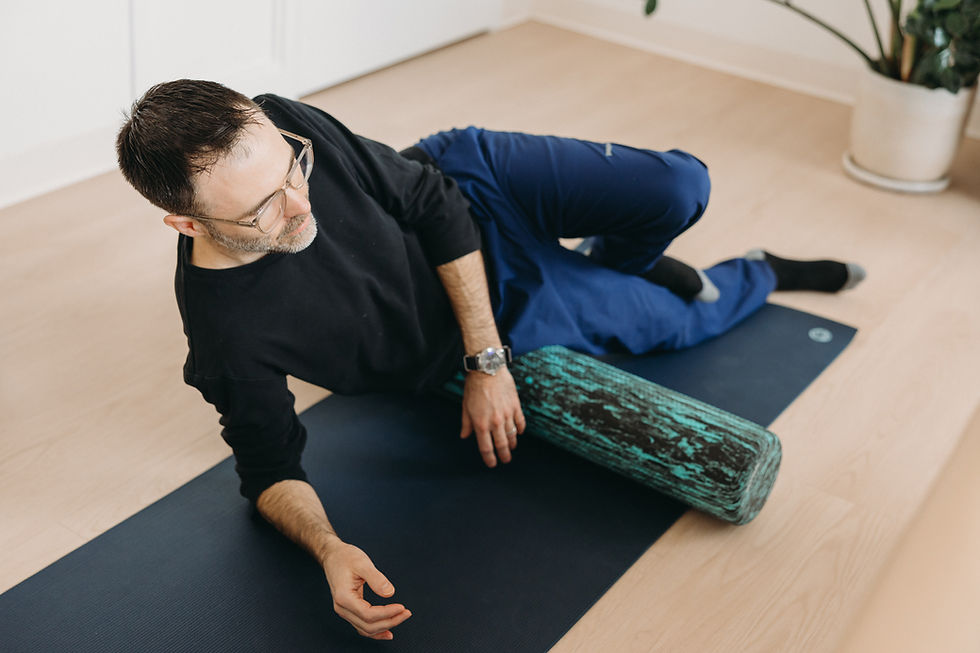
Short answer? Absolutely!
As pelvic floor therapists, we get asked this question all the time, and the short answer is: yes! All people of all genders have a pelvic floor. Let’s dive a little more into what the pelvic floor is and why it matters - no matter what your sex is.
What is the Pelvic Floor?
The “pelvic floor” refers to a group of muscles in and around the pelvis. There are superficial muscles that are closer to the surface, as well as deeper muscles within the pelvic girdle. These muscles are very similar regardless of sex, so yes - men definitely have them too! These muscles are responsible for several important roles in the body, including bowel and bladder continence and function, sexual function, pelvic organ support, hip and pelvic stability, and managing pressure throughout the abdominal cavity. It is important that they have good strength, mobility, and coordination to allow for optimal pelvic functioning.
The pelvic floor muscles also work closely and share neurological connections with several other muscle groups in the body including the hip muscles, abdominals, breathing diaphragm, feet, and even the jaw. Pelvic floor function can be significantly impacted by tension or weakness in these muscle groups, so it is important to assess several areas of the body when determining the root cause of pelvic floor dysfunction.
Pelvic Floor Symptoms in Men
As pelvic floor therapists, there are many common symptoms that we treat when working with men. If the pelvic muscles are tight, we might hear reports of symptoms like:
pelvic pain (at the tailbone, abdomen, hips, perineum, testicles, or penis)
muscle spasms in the pelvis, abdomen, or hips
urinary urgency and frequency, weak urine stream, urinary hesitancy or retention, or post-void dripping
constipation, incomplete bowel emptying, gastrointestinal difficulty and bloating
sexual dysfunction like difficulty or pain with erections or ejaculation, or changes in sensation/sensitivity
pain with sitting for long periods of time, or the feeling of “sitting on a golf ball”
Conversely, if the pelvic muscles are weak, we might hear symptoms like:
urinary or bowel leakage with sneezing, coughing, heavy lifting
difficulty controlling bowel continence or gas
pelvic heaviness, poor pelvic stability with movement or exercise
Oftentimes, patients come in with a combination of several symptoms, and may have pelvic muscles that are tense, weak, and discoordinated. Pelvic floor therapists are specialists in being able to provide holistic assessments and develop a personalized, targeted treatment plan for improvement.
Support for Pelvic Floor Symptoms
Does any of this sound familiar?
Learn more about men's pelvic health or give us a call at Wellest - we’d love to help. Our therapists are experienced with working with all genders and we want you to be comfortable, confident, and symptom-free.


mình có lần lướt đọc mấy trao đổi trên mạng شيخ روحاني thì thấy nhắc nên cũng tò mò mở ra xem thử cho biết. mình không tìm hiểu sâu chỉ xem qua trong thời gian ngắn để quan sát bố cục cách sắp xếp جلب الحبيب các mục và trình bày nội جلب الحبيب dung tổng thể. cảm giác là các phần được trình bày khá gọn, các hurentest berlin mục rõ ràng Huren Berlin nên đọc lướt cũng không bị rối với mình như vậy là đủ để nắm tin cơ bản rồi. جلب الحبيب
👍
For those who enjoy baking but prefer recipes that do not require complicated steps, this Basque cheesecake guide explains a very approachable method. The description highlights a smooth, rich texture that comes from mixing ingredients and baking, which sounds perfect for cheese lovers. If you want to try this trendy dessert at home, the instructions are easy to follow.
It's great that this article directly addresses the common misconception about men's pelvic floor health, highlighting that these muscles are crucial for everyone. The symptoms listed for both tight and weak pelvic muscles, such as the "sitting on a golf ball" feeling or issues with continence, really underscore how diverse and impactful these dysfunctions can be. This information is vital, as understanding these links can significantly improve quality of life and is far more complex than just a simple game like town of salem.
If you're into self-hosting or just like exploring independent websites, this page offers a nice mix of content. It covers open-source software, free resources, and even internet startup ideas, all in a straightforward format. The free resources and startup ideas section is particularly worth a visit for its practical angle.
In Buckshot Roulette, I reach a round where my usual habits aren't working at all. Trying something completely unfamiliar makes the session much more enjoyable.